4. Sudden Confusion
You might suddenly feel disoriented in a familiar place. Simple tasks—like pouring coffee or unlocking a door—might feel confusing. You might not recognize someone you know well.
This happens when the blockage affects areas of the brain responsible for processing information and memory.
5. Dizziness or Loss of Balance
You might feel suddenly dizzy, unsteady, or have trouble walking. Some people describe it as "the room spinning" or feeling like they might fall.
This is especially significant if it happens without warning and resolves on its own.
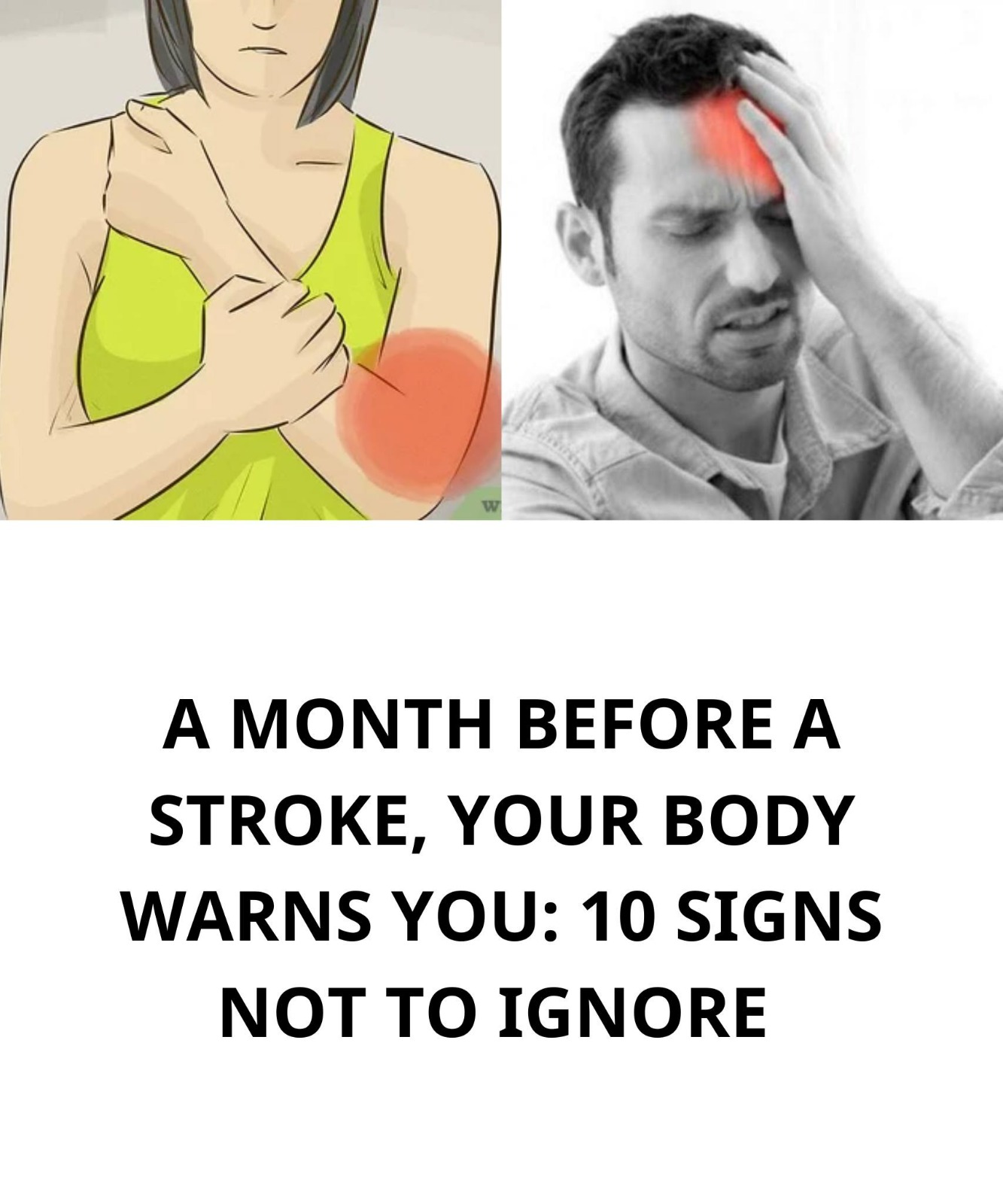
6. A Sudden, Severe Headache
Not your usual tension headache. Not your typical migraine. This is:
Sudden and intense
Different from headaches you've had before
Sometimes described as "the worst headache of my life"
While thunderclap headaches are more commonly associated with hemorrhagic strokes, they can also occur with TIAs.
7. Temporary Memory Loss
Some people experience sudden, temporary memory loss—unable to recall recent events or form new memories, even though they know who they are. This can last minutes to hours and then completely resolve.
This is called transient global amnesia, and while it can have other causes, it's sometimes linked to reduced blood flow to memory-related brain regions.
8. Difficulty Swallowing
You might suddenly find it hard to swallow saliva, water, or food. This can feel like your throat isn't working properly.
Swallowing difficulties (dysphagia) can occur when a TIA affects the brainstem, which controls automatic functions.
9. Unexplained Fatigue or Drowsiness
This one is easy to dismiss. Everyone gets tired. But this is different—a sudden, overwhelming exhaustion that feels unlike normal tiredness. You might feel like you can't keep your eyes open, even after a full night's sleep.
If this comes on suddenly and without explanation, pay attention.
10. A Feeling That Something Is "Wrong"
This is the hardest one to describe but the most important to honor. Some people report a vague, unsettling feeling that something isn't right—hours or days before other symptoms appear. They can't explain it. They just know.
Trust that feeling. Your brain sometimes detects changes before you can consciously identify them.