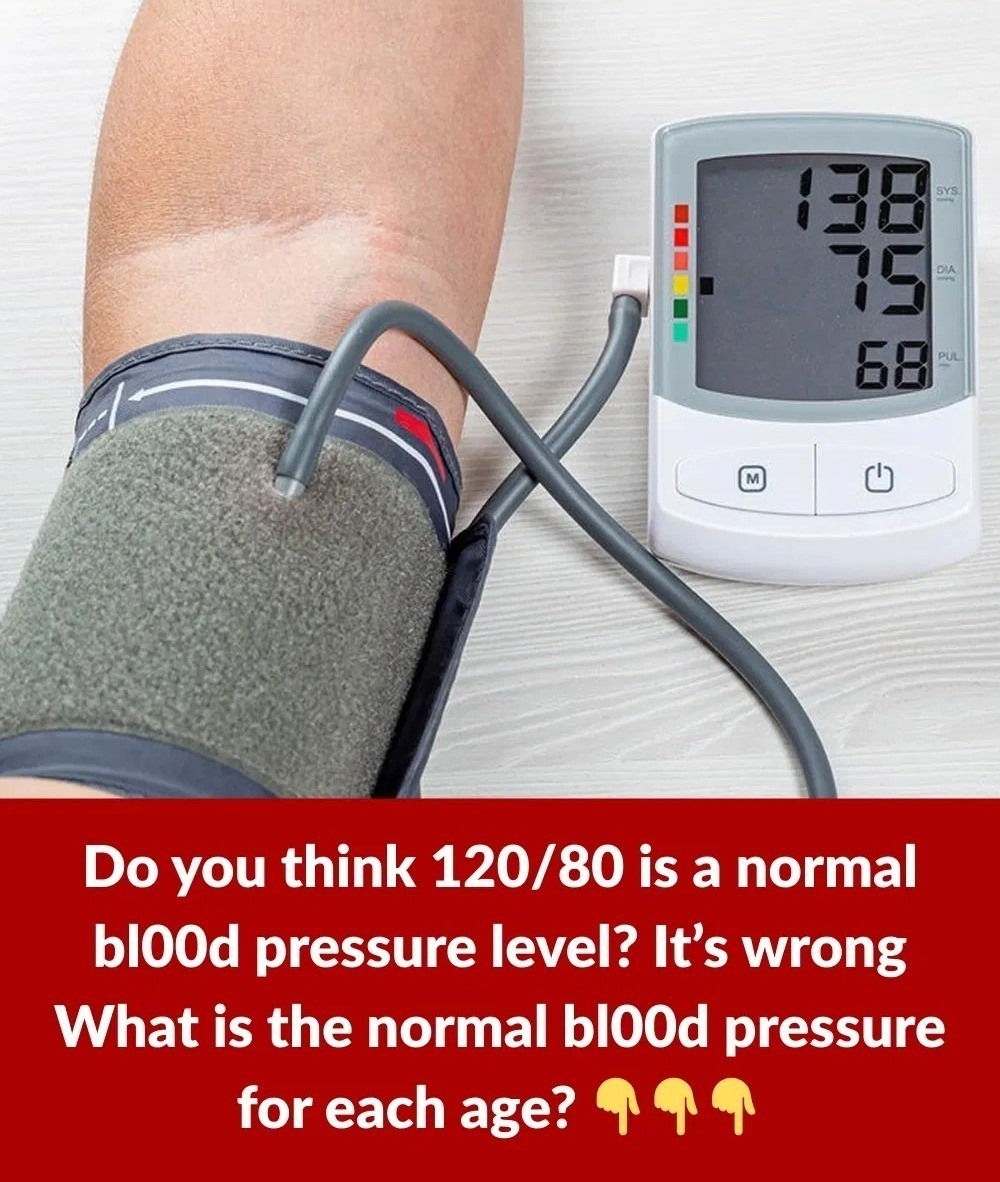
115–140 systolic
70–90 diastolic
Doctors often monitor blood pressure more closely in this group because the risk of cardiovascular disease increases with age.
Why Blood Pressure Increases With Age
Several factors can cause blood pressure to rise over time:
Arteries becoming less flexible
Weight gain
Sedentary lifestyle
High salt intake
Stress
Smoking or alcohol use
Family history of hypertension
However, healthy lifestyle habits can help maintain normal blood pressure even as you age.
Signs of High Blood Pressure
High blood pressure is often called the “silent killer” because it may not cause noticeable symptoms. However, some people may experience:
Headaches
Dizziness
Shortness of breath
Chest pain
Blurred vision
If you notice these symptoms along with high readings, seek medical attention.
Tips to Maintain Healthy Blood Pressure
You can lower or maintain healthy blood pressure with these habits:
✔ Eat a balanced diet rich in fruits and vegetables
✔ Reduce salt and processed foods
✔ Exercise at least 30 minutes most days
✔ Maintain a healthy weight
✔ Manage stress levels
✔ Limit alcohol consumption
✔ Avoid smoking
Regular monitoring is also essential, especially for adults over 40.
When to See a Doctor
You should consult a healthcare professional if:
Your readings consistently exceed 130/80 mmHg
You experience symptoms like chest pain or severe headaches
Your blood pressure suddenly rises above 180/120 mmHg
Early diagnosis can help prevent serious complications such as heart disease, stroke, or kidney damage.
Final Thoughts
While 120/80 mmHg is often considered the ideal blood pressure, healthy levels can vary slightly depending on age and individual health factors. The most important step is to monitor your blood pressure regularly and maintain a heart-healthy lifestyle.
By understanding your numbers and making healthy choices, you can significantly reduce your risk of cardiovascular disease and enjoy better long-term health.