What Is Normal Blood Pressure for Your Age? A Clear, Updated Guide
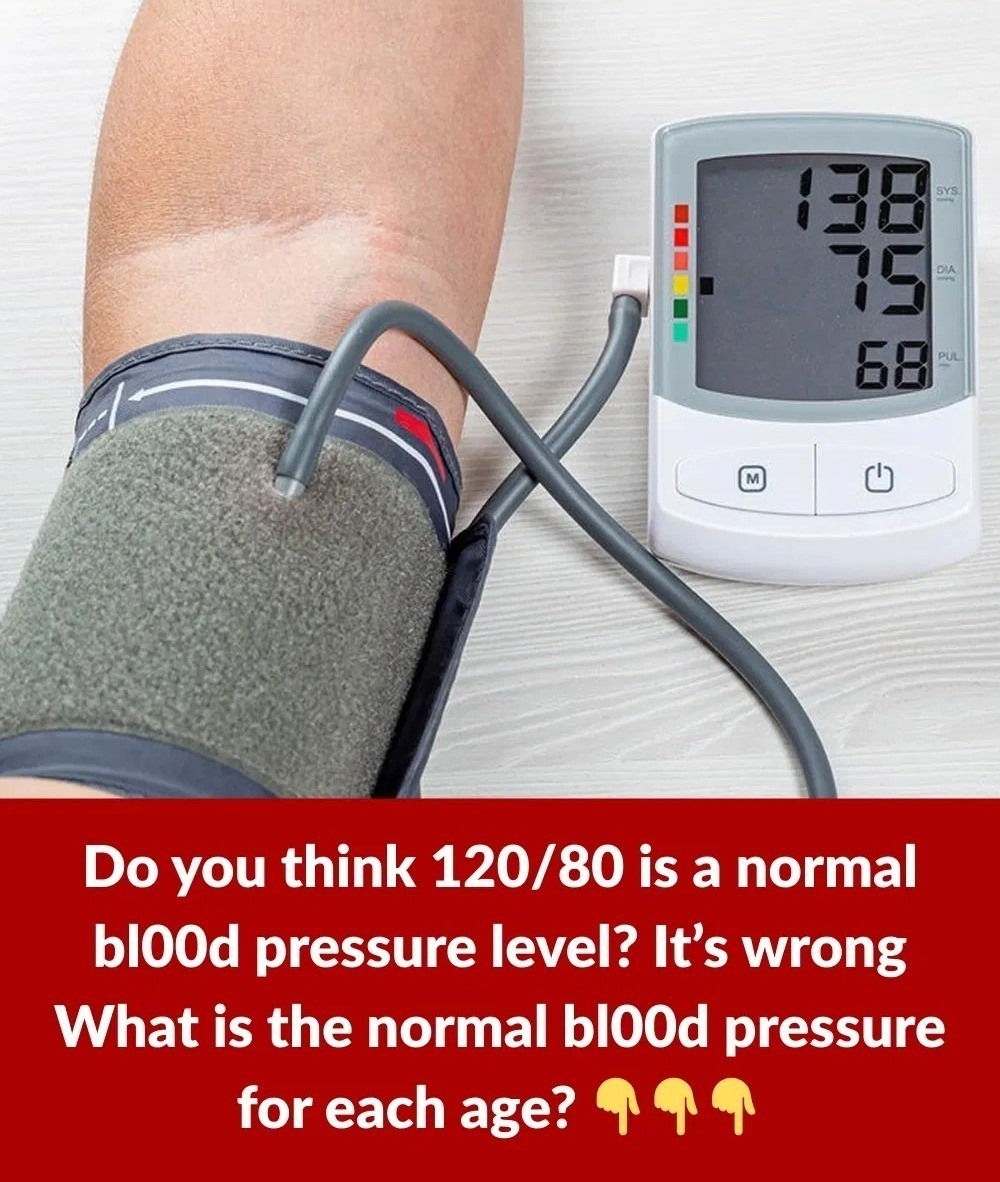
Blood pressure is one of the most important indicators of your overall health. It shows how hard your heart works to pump blood through your body. While many people believe that 120/80 mmHg is the only “normal” blood pressure, the reality is more nuanced. Blood pressure can vary slightly depending on age, lifestyle, and health conditions.
In this guide, we’ll explain what blood pressure numbers mean, what is considered normal for different age groups, and when you should be concerned.
Understanding Blood Pressure Numbers
A blood pressure reading has two numbers:
Systolic pressure (top number): The pressure in your arteries when the heart beats.
Diastolic pressure (bottom number): The pressure in your arteries when the heart rests between beats.
For example, a reading of 120/80 mmHg means:
120 = systolic pressure
80 = diastolic pressure
Both numbers are important for evaluating heart health.
Blood Pressure Categories for Adults
According to modern medical guidelines, blood pressure levels for adults are generally categorized as:
Category Systolic Diastolic
Normal Less than 120 Less than 80
Elevated 120–129 Less than 80
High Blood Pressure (Stage 1) 130–139 80–89
High Blood Pressure (Stage 2) 140 or higher 90 or higher
Hypertensive Crisis 180+ 120+
If your reading consistently falls into the high range, you should consult a healthcare professional.
Average Blood Pressure by Age
Although the ideal goal for adults is usually below 120/80, typical average readings can vary slightly with age.
Children (6–12 years)
Normal blood pressure generally ranges around:
95–110 systolic
60–75 diastolic
Teenagers (13–18 years)
Typical range:
105–120 systolic
65–80 diastolic
Young Adults (19–39 years)
Healthy range:
108–120 systolic
70–80 diastolic
This age group typically has the lowest risk of hypertension if they maintain healthy habits.
Middle-Aged Adults (40–59 years)
Typical range:
110–130 systolic
70–85 diastolic
Blood pressure may start to rise due to aging, stress, weight gain, or reduced activity.
Older Adults (60+ years)
Typical range:
Continued on next page 👇(page 2)👇